Blog
 vocabulary
Collocations: Why It's 'Make a Decision,' Not 'Do a Decision'
English says 'make a decision,' never 'do a decision' — by habit, not rule. What collocations are, and how reading the classics teaches them.
 guides
How to Get Better at Reading English (Without Just Reading More)
Getting better at reading English isn't about reading more — it's about reading at the right level and turning the words you meet into words you keep.
 vocabulary
Words That Were Once People: How Names Like Quixote and Boycott Became Everyday English
Quixotic, panic, boycott, mentor — each was once a person's name. How names slip into the dictionary, and how to spot one on any word page.
 vocabulary
Why English Has Two Words for Almost Everything
English keeps a plain Saxon word and a formal Latin one for almost everything — ask and inquire, swine and pork. Here is why, and how to hear it.
 vocabulary
Why Moby-Dick Is So Hard to Read (And How to Read It Anyway)
It opens with one of the most famous lines in English — then the difficulty arrives. What actually makes Moby-Dick hard, and how to read it anyway.
 vocabulary
When ‘Nice’ Meant Foolish: Words That Changed Meaning in the Classics
In the classics, ‘nice’ meant foolish and ‘awful’ meant full of awe. How familiar words flipped sense — and how to catch it as you read.
 guides
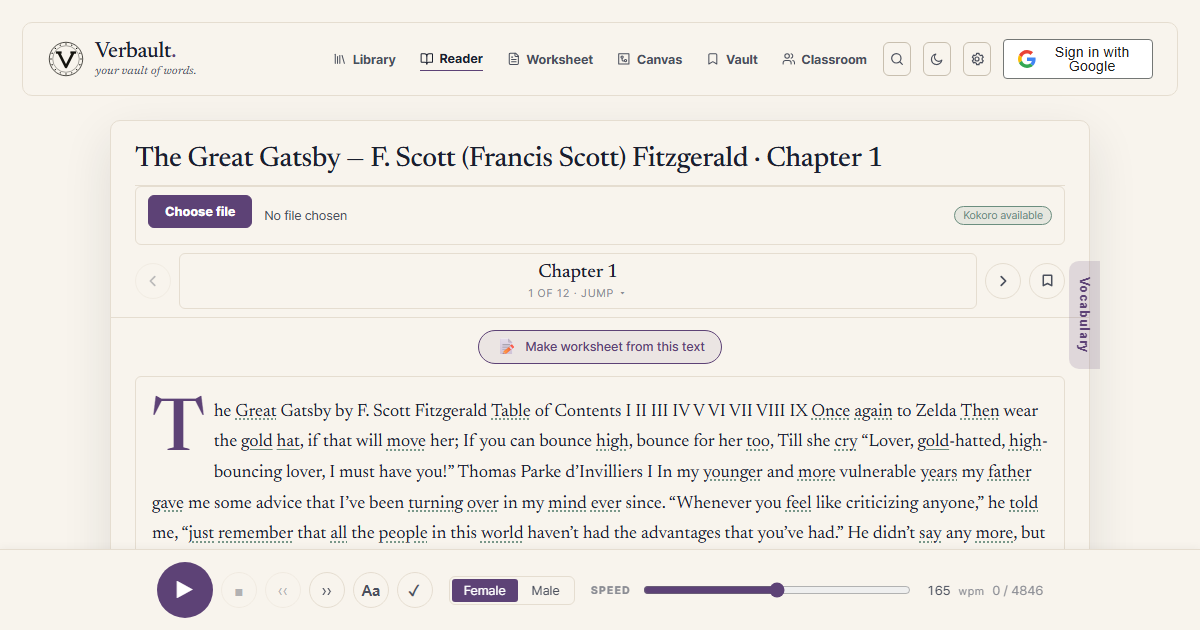
Decoding the Color Symbolism in The Great Gatsby: What the Manuscript and Discarded Titles Reveal
Fitzgerald's discarded titles and revised manuscript reveal how color works in The Great Gatsby — green, gold, white, grey, and blue, decoded.
 guides
Phrasal Verbs in the Classics: When Knowing Every Word Isn't Enough
You can know every word in a sentence and still miss it, because 'make out' isn't 'make' plus 'out'. How to read the phrasal verbs that fill the classics.
 guides
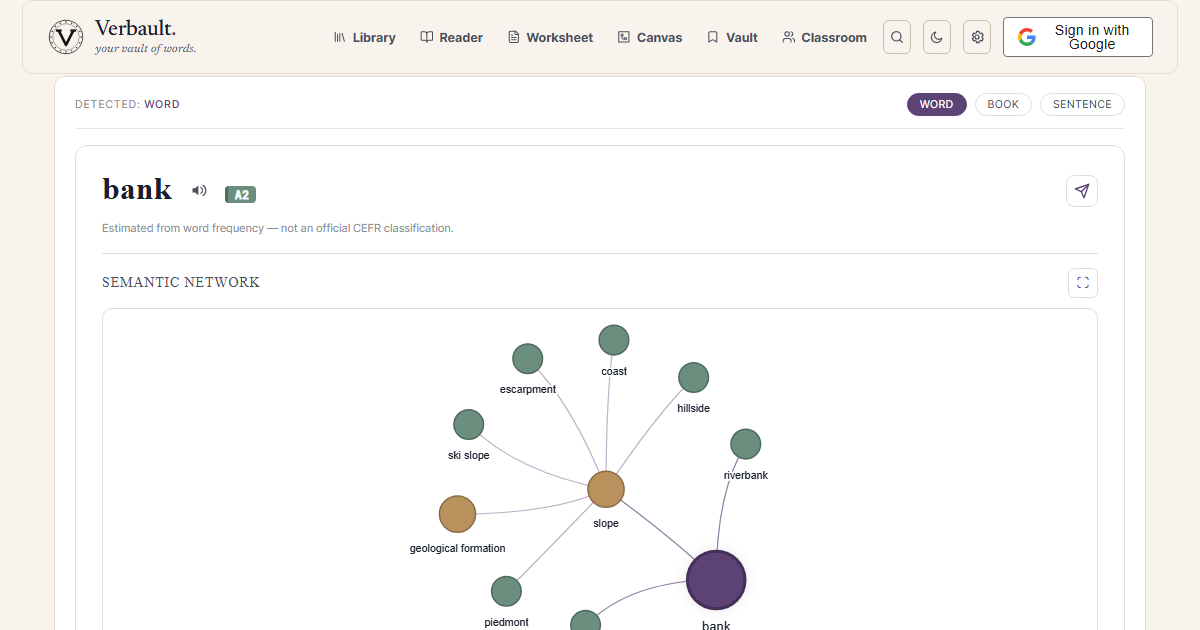
One Word, Several Meanings: Looking Up the Sense That Fits the Sentence
A word like 'bank' means different things in different sentences. Here's how to look up the sense that fits, instead of sorting the whole entry yourself.
 guides
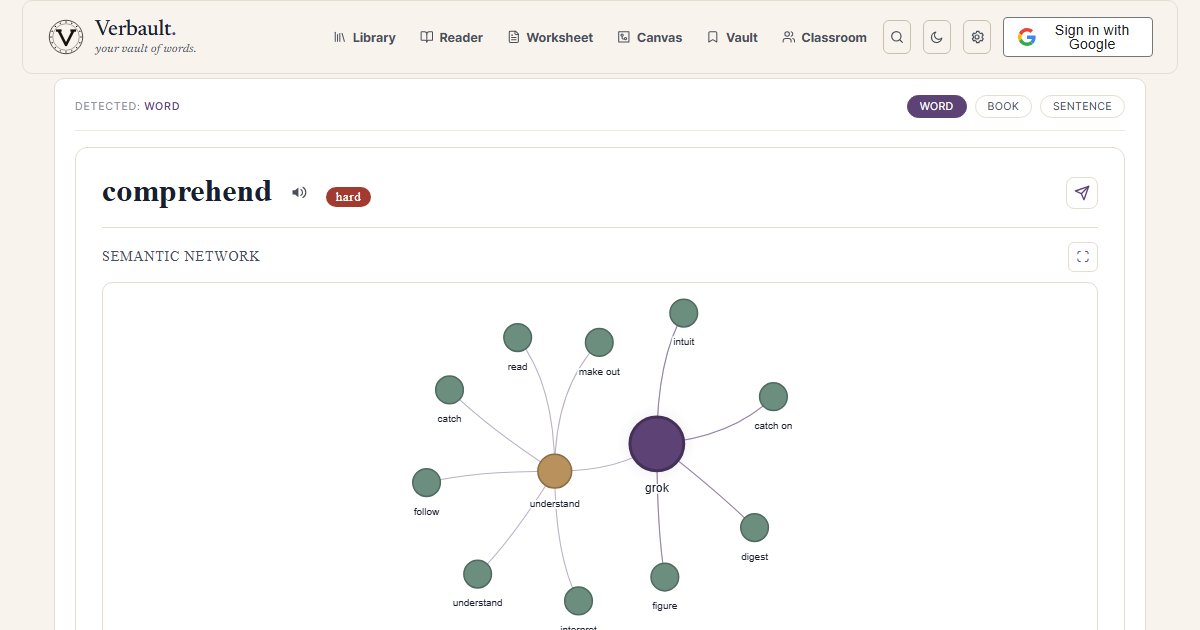
How Many Words Do You Actually Need to Read a Novel?
How many words do you need to read a novel comfortably? Fewer than you think — and word families mean you already know more than the count suggests.
 guides
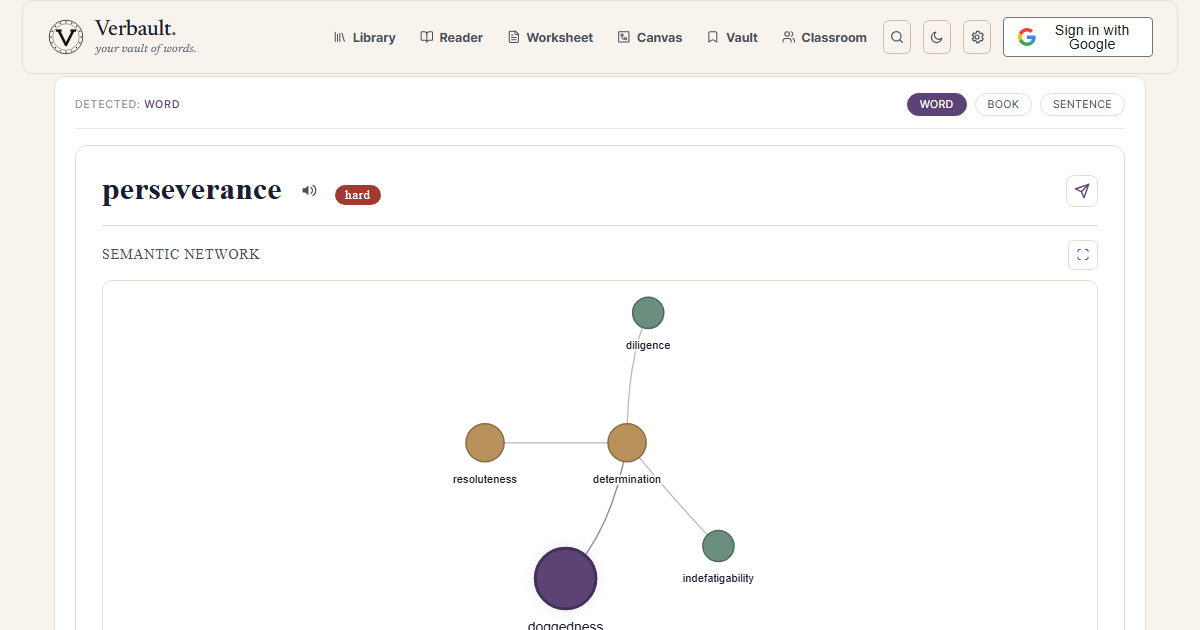
Passive vs Active Vocabulary: Why You Understand More Than You Can Use
You recognise far more words than you can produce. Here is why that gap exists, and how to turn words you only know into words you actually use.
 guides
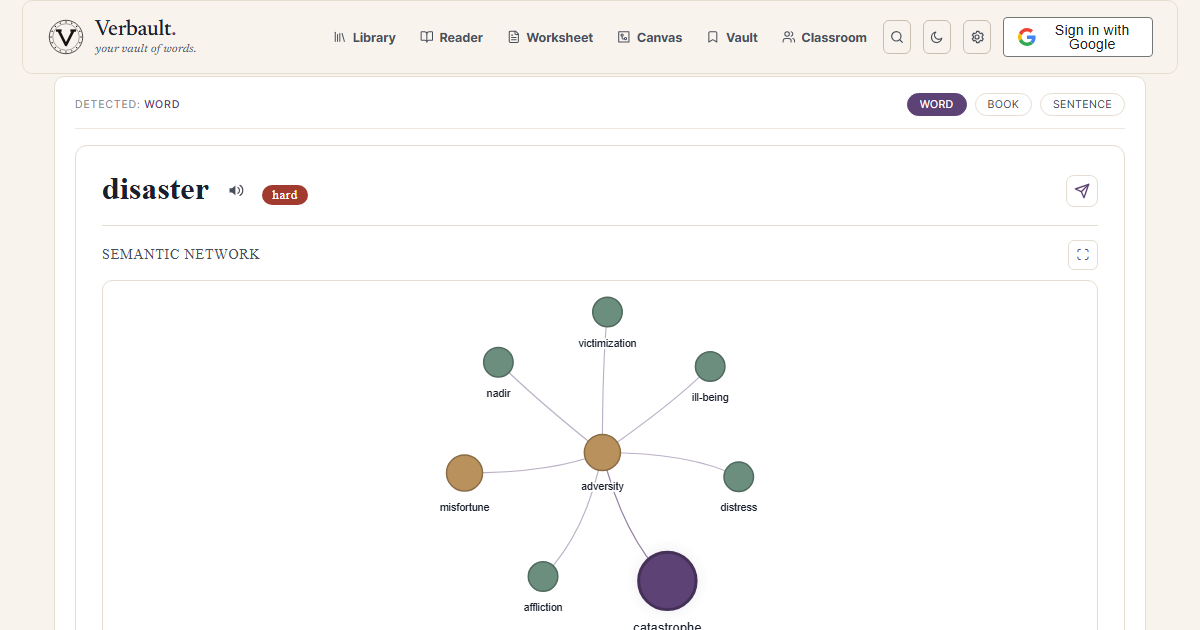
Why a Word's Origin Is the Easiest Way to Remember It
Rote memorising rarely sticks. A word's history gives it a reason and a family of relatives — here's how to use etymology to remember vocabulary.