#etymology
 vocabulary
Words That Were Once People: How Names Like Quixote and Boycott Became Everyday English
Quixotic, panic, boycott, mentor — each was once a person's name. How names slip into the dictionary, and how to spot one on any word page.
 vocabulary
Why English Has Two Words for Almost Everything
English keeps a plain Saxon word and a formal Latin one for almost everything — ask and inquire, swine and pork. Here is why, and how to hear it.
 vocabulary
When ‘Nice’ Meant Foolish: Words That Changed Meaning in the Classics
In the classics, ‘nice’ meant foolish and ‘awful’ meant full of awe. How familiar words flipped sense — and how to catch it as you read.
 guides
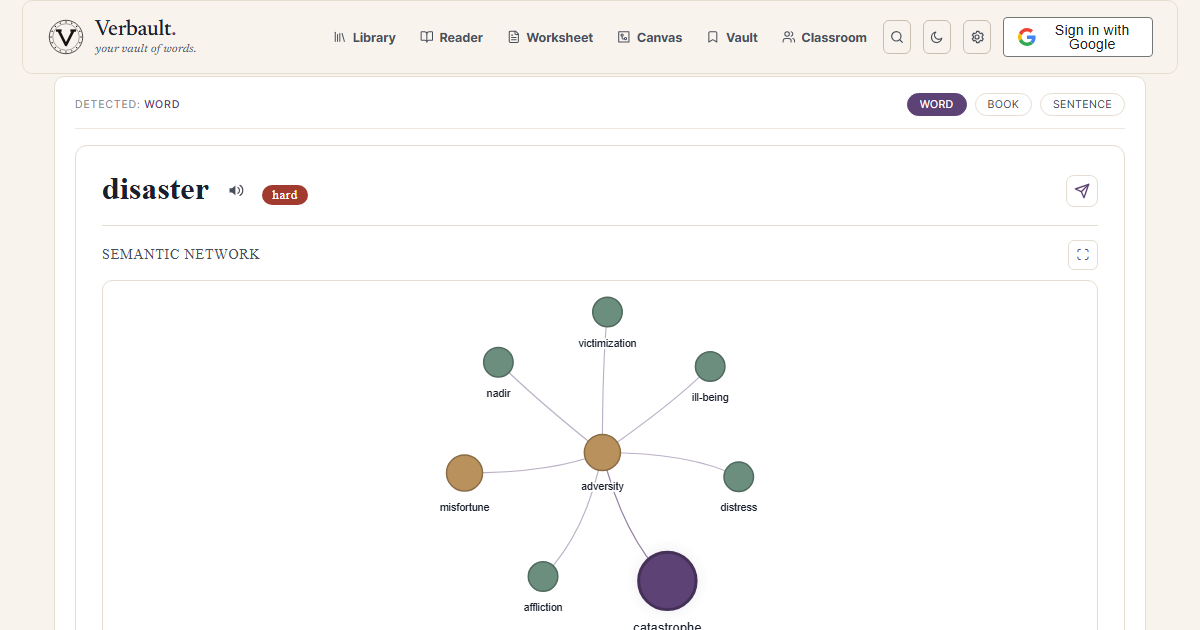
Why a Word's Origin Is the Easiest Way to Remember It
Rote memorising rarely sticks. A word's history gives it a reason and a family of relatives — here's how to use etymology to remember vocabulary.