#study-tips
 guides
How to Practise Reading Comprehension with the Classics
Knowing every word isn't the same as understanding the page. How to practise reading comprehension with the classics — and check you actually followed it.
 guides
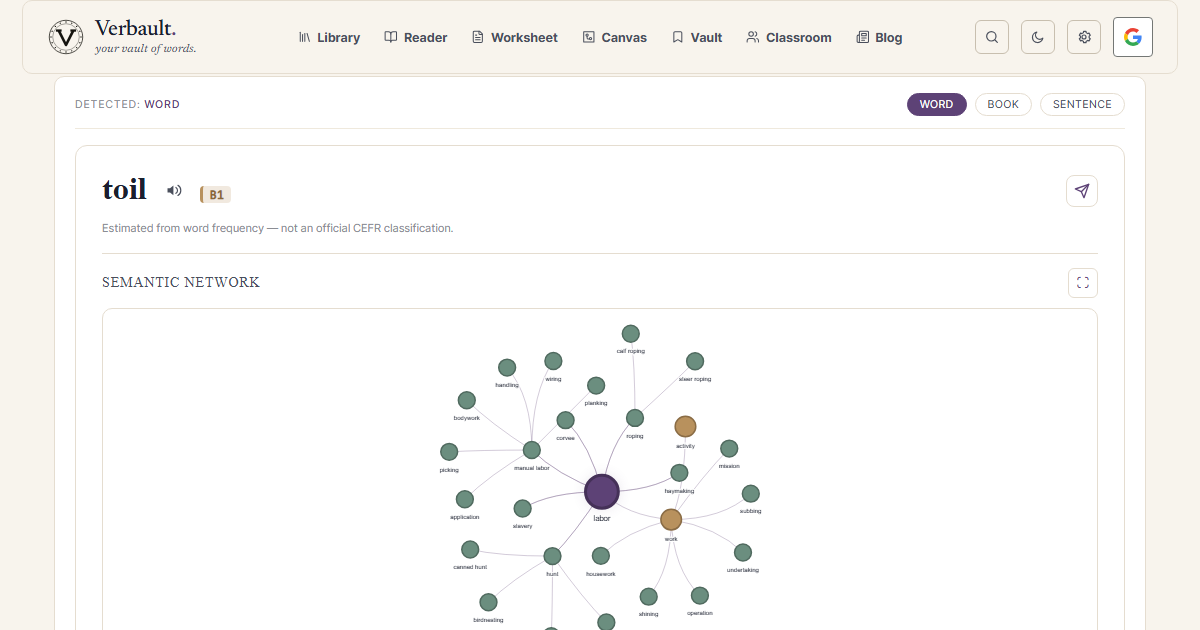
When to Look Up a Word — and When to Keep Reading
Looking up every unfamiliar word kills the story; looking up none leaves you lost. A simple rule for deciding which words actually need a definition.
 guides
Where to Start with the Classics: Why Difficulty Isn't One Number
A classic's difficulty is two things: how rare its words are and how long its sentences run. Here's how to read both before you open the book.
 guides
Word Order Is English Grammar: How Position Decides Meaning
English barely changes its words, so it leans on word order to show who did what. Here's how position carries the grammar, and how to see it.
 vocabulary
Slim, Slender, Skinny: How to Choose Between Near-Synonyms
'Slim', 'slender', and 'skinny' mean nearly the same thing — but you can't swap them. How near-synonyms differ in feeling, formality, and precision.
 guides
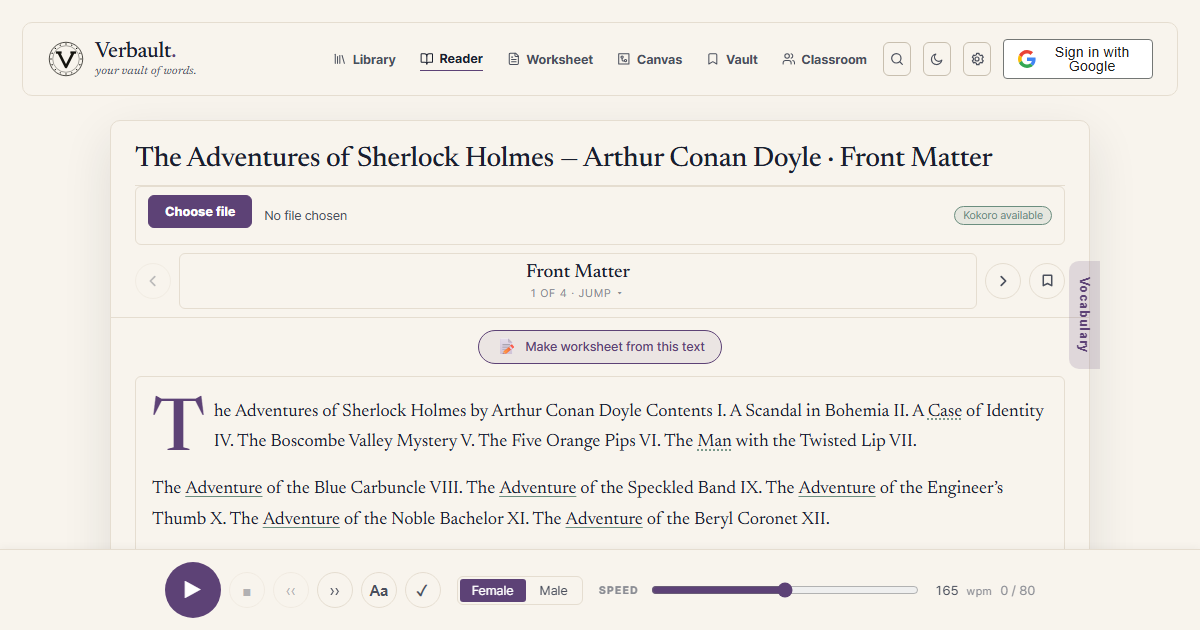
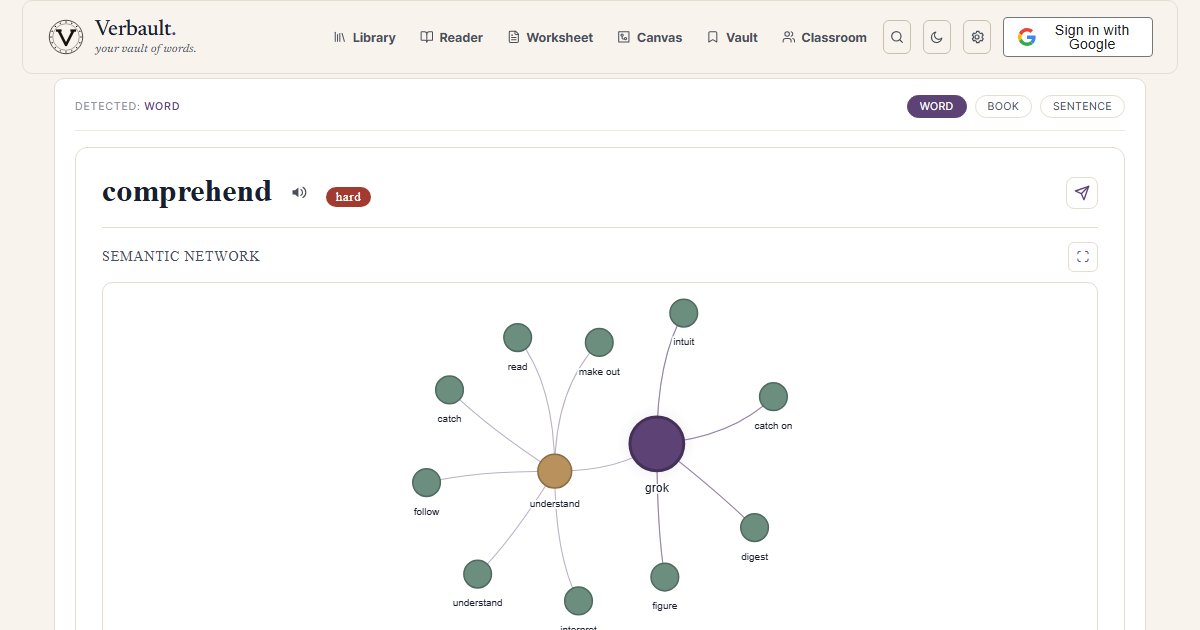
Phrasal Verbs in the Classics: When Knowing Every Word Isn't Enough
You can know every word in a sentence and still miss it, because 'make out' isn't 'make' plus 'out'. How to read the phrasal verbs that fill the classics.
 guides
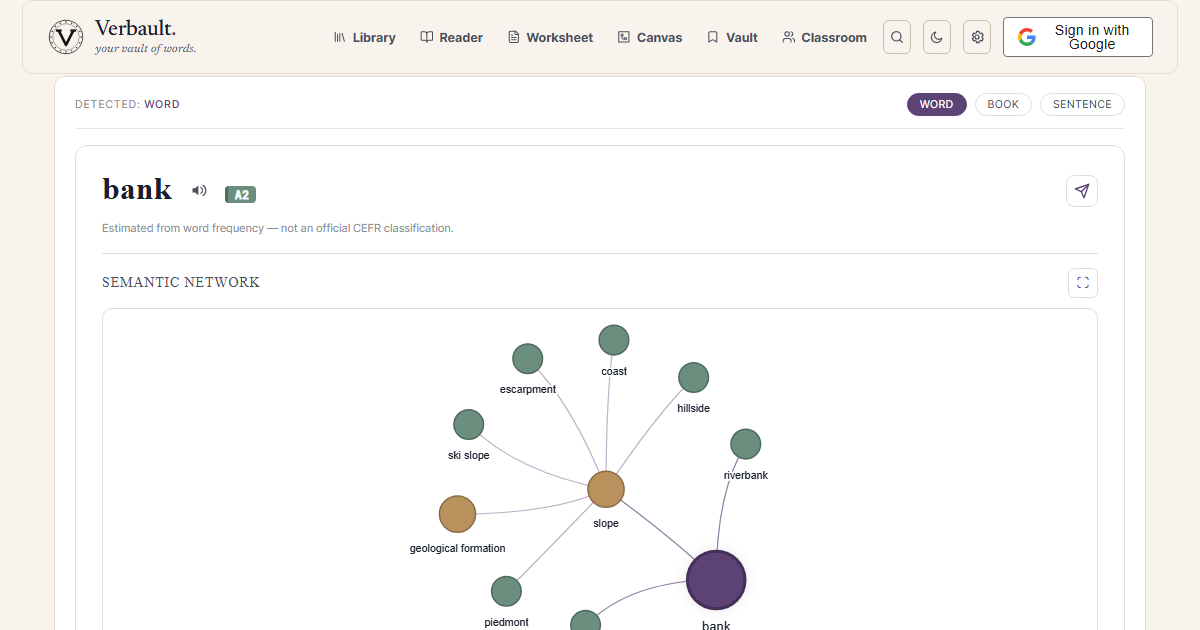
One Word, Several Meanings: Looking Up the Sense That Fits the Sentence
A word like 'bank' means different things in different sentences. Here's how to look up the sense that fits, instead of sorting the whole entry yourself.
 guides
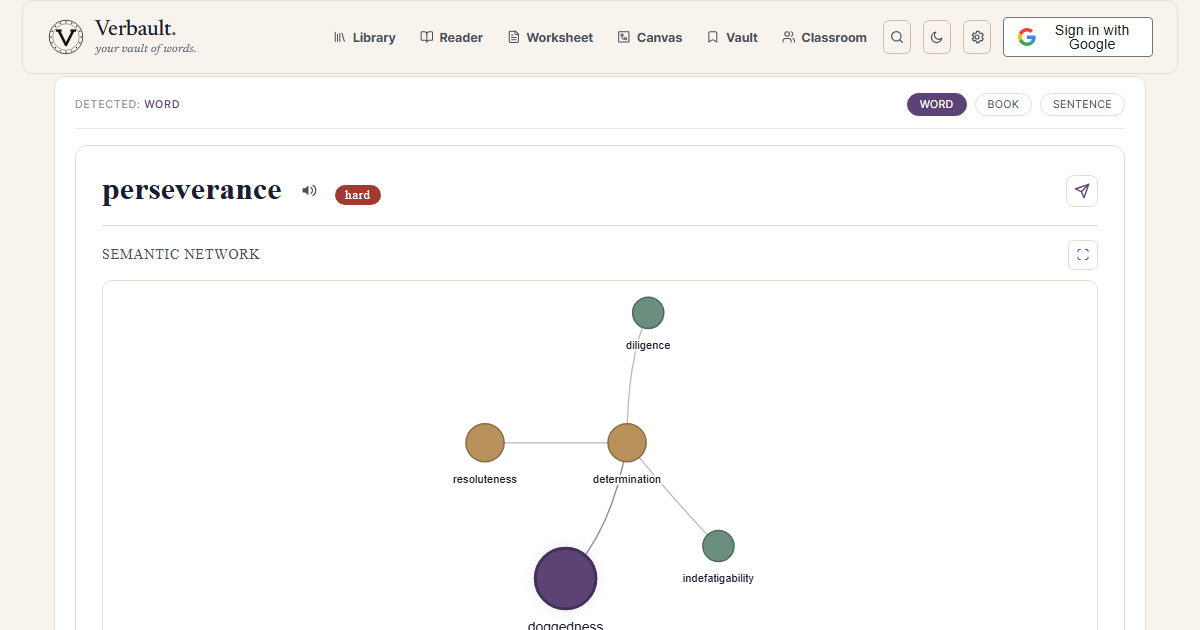
How Many Words Do You Actually Need to Read a Novel?
How many words do you need to read a novel comfortably? Fewer than you think — and word families mean you already know more than the count suggests.
 guides
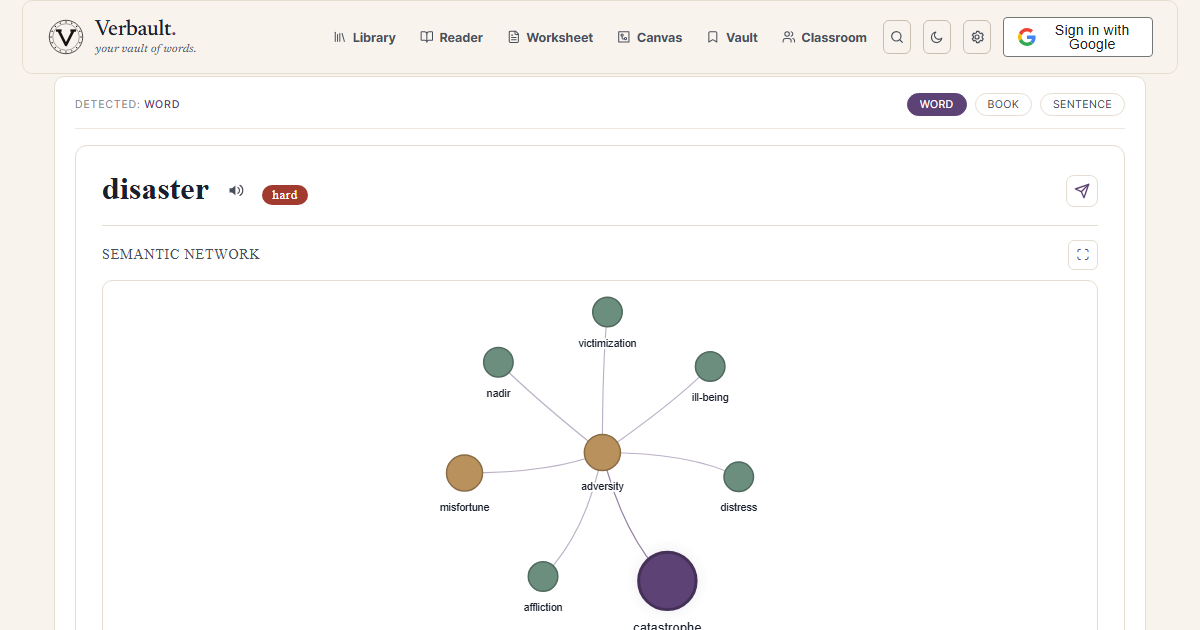
Passive vs Active Vocabulary: Why You Understand More Than You Can Use
You recognise far more words than you can produce. Here is why that gap exists, and how to turn words you only know into words you actually use.
 guides
Why a Word's Origin Is the Easiest Way to Remember It
Rote memorising rarely sticks. A word's history gives it a reason and a family of relatives — here's how to use etymology to remember vocabulary.
 guides
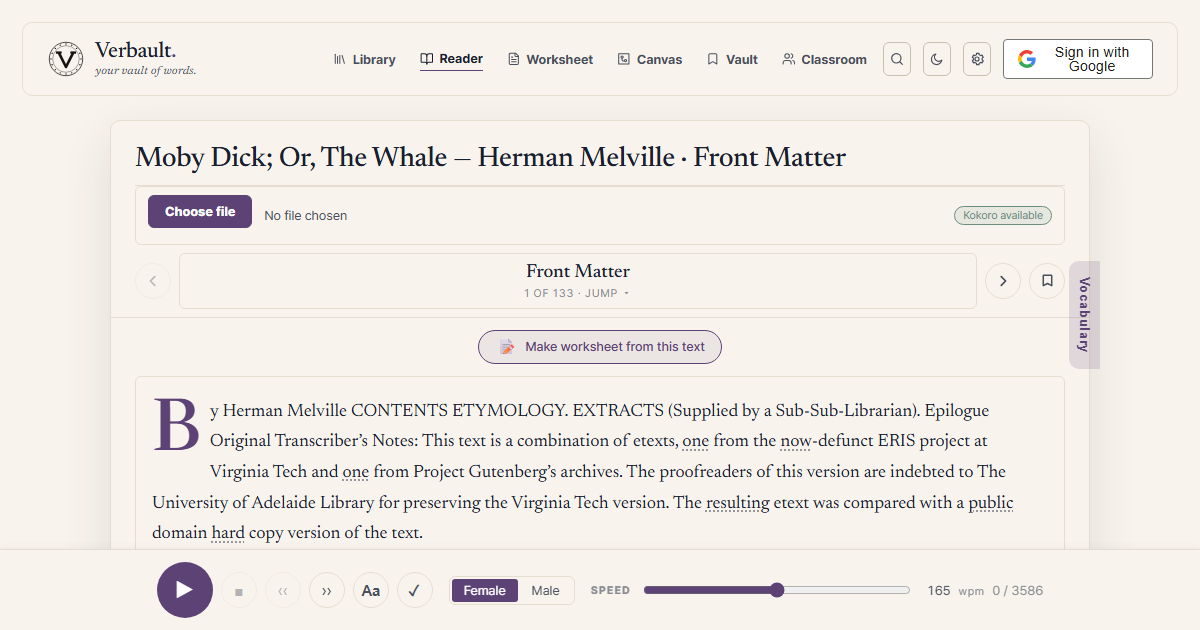
How to Learn Vocabulary from Classic Books Without Losing the Story
Looking up every word ruins the book. A calmer, more effective way to learn vocabulary from classic literature — and keep the words that matter.